
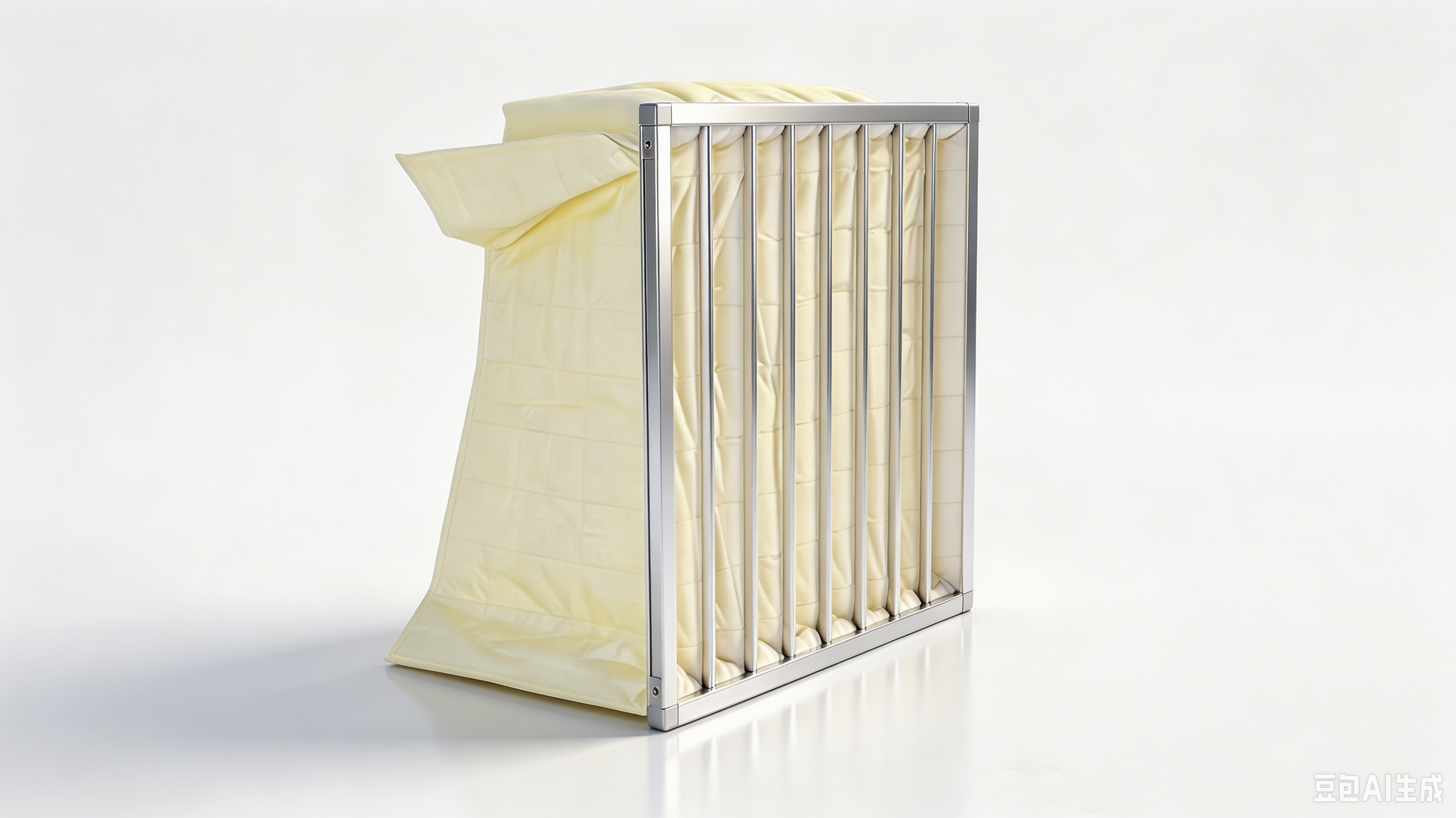
Initial Resistance, Final Resistance, and Replacement Cycle of Air Filters
Understanding initial and final filter resistance is key to maintaining cleanroom efficiency and energy savings, ensuring filters are replaced at the right time.
1. Initial Resistance and Final Resistance
Initial Resistance: The pressure drop of a new filter at its rated airflow; this serves as the baseline for filter performance. Final Resistance: The pressure drop at which the filter must be replaced, typically 2 to 3 times the initial resistance.
II. Variation of Resistance
During operation, resistance increases as dust accumulates on the filter media. The resistance curve is non-linear: - Early stage: Resistance rises slowly - Mid stage: Resistance rises faster - Late stage: Resistance spikes sharply
3. Determining the Replacement Cycle
1. Differential pressure method: Install a differential pressure gauge and replace the filter when resistance reaches the final limit. 2. Time-based method: Set replacement intervals based on experience (typically 6–12 months). 3. Calculation method: Calculate replacement needs based on dust concentration and filter dust-holding capacity.
IV. Energy Efficiency Considerations
Replace filters promptly to reduce fan energy consumption. Once resistance exceeds the final limit, fans require more energy to maintain airflow, leading to a significant increase in energy usage.